We’re building a thermal control module that pulls heat from onboard AI computers and radiates it into space, so satellites can run AI without thermal throttling
From space-grade chips to orbital data centers
We capture heat right beside the AI computer, so it can keep running at full performance.
Capture heat at the chip
We carry that heat to the radiators and keep radiating it out into space.
Radiate it into space
More and more satellites will carry AI. We take care of the heat on every one of them.
AI on every satellite
Computing infrastructure will eventually move into orbit. We aim to handle its heat too.
Next, orbital data centers
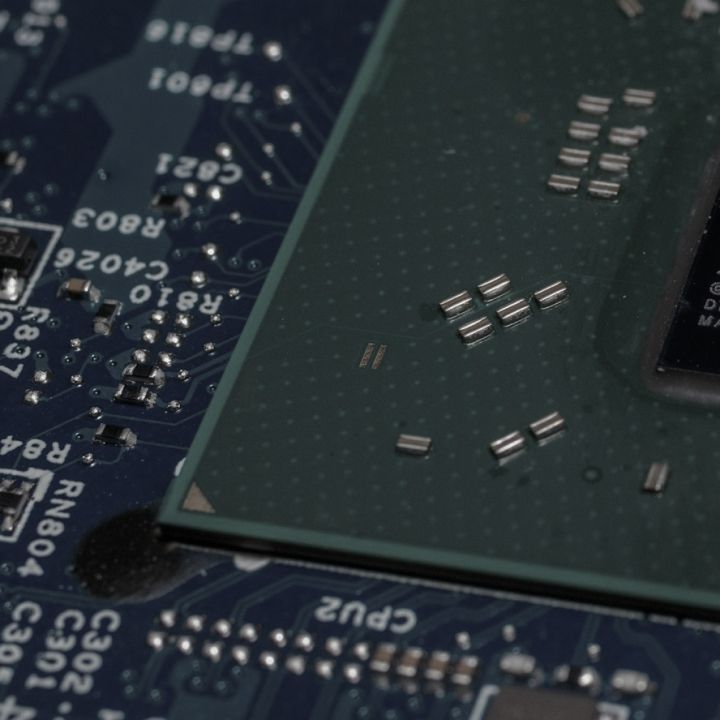
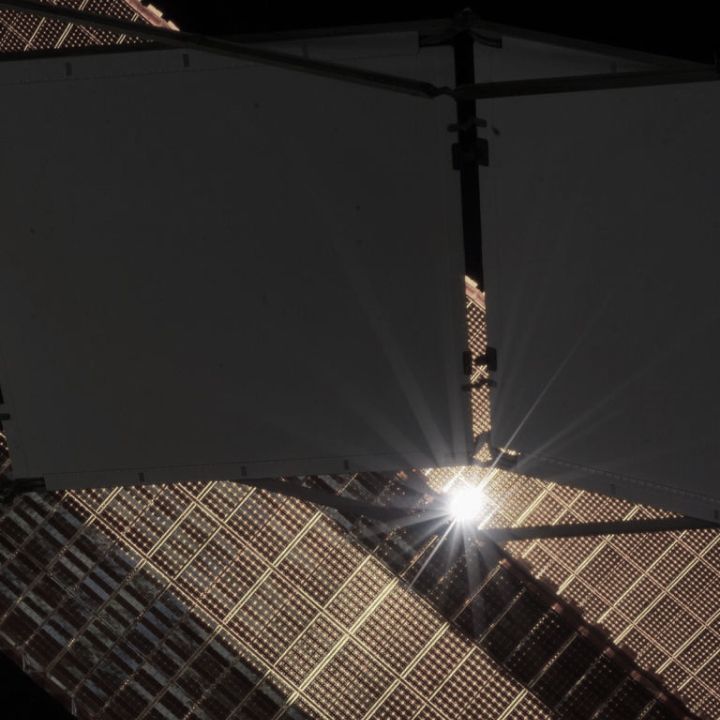
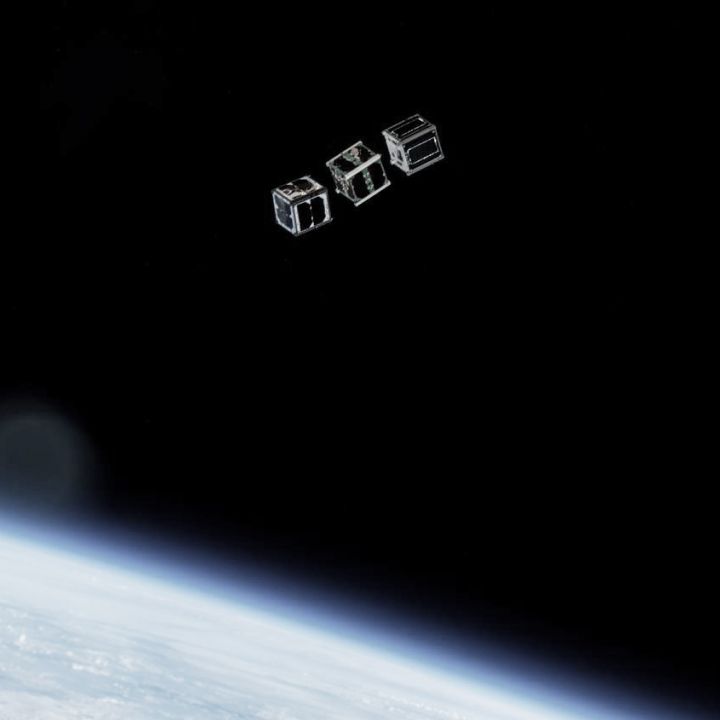
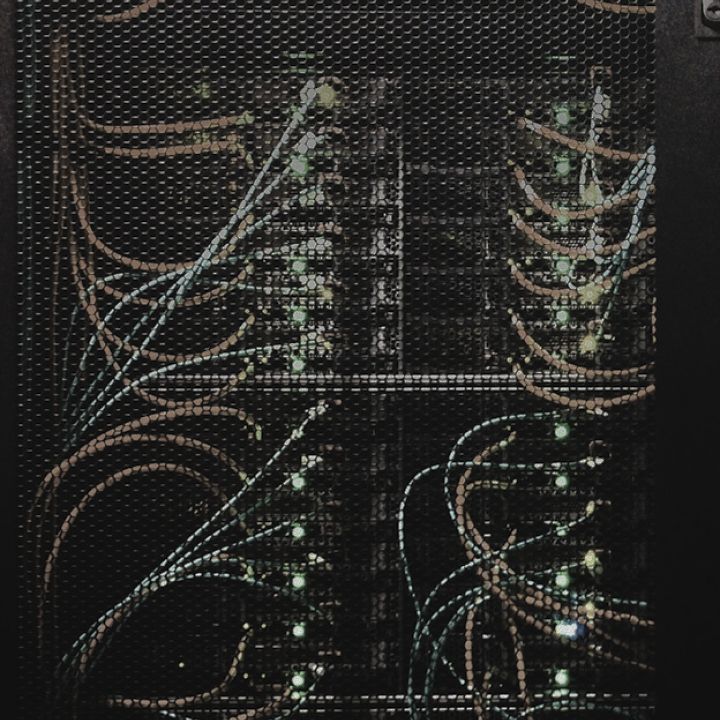
For illustration onlyCPU: Andrew Dawes / Unsplash · Space station radiators and deployed small satellites: NASA · Servers: Taylor Vick / Unsplash
In the vacuum of space, heat has one way out: radiation
As instruments get more capable and AI computers come aboard, satellites are generating more heat than ever. But the radiators that shed that heat can only be as large as the satellite allows. RAYN is building a thermal control module that captures heat at the source, carries it to the radiators and keeps rejecting it into space.
Building a world where AI in space is a given
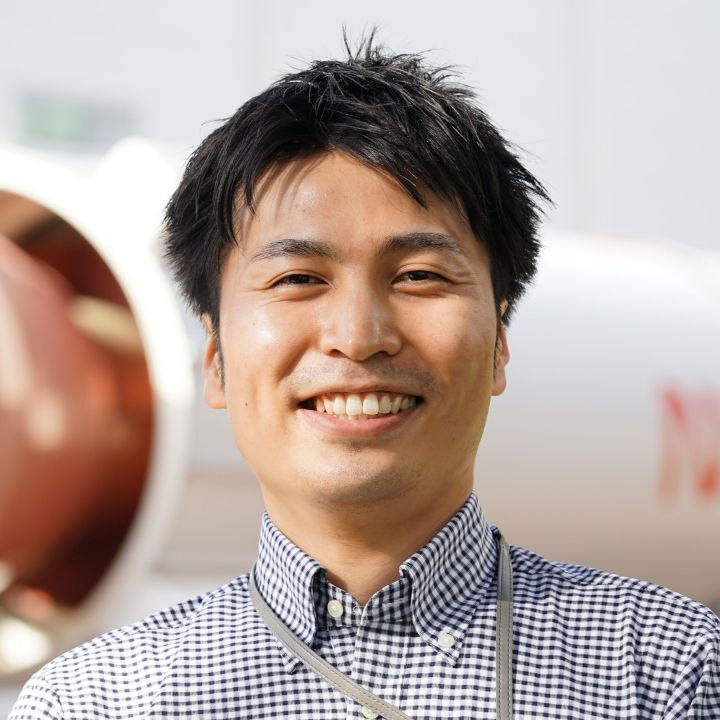
Researched space propulsion at the University of Tokyo, then joined Sony Group. On a JAXA cross-appointment, he built and open-sourced precise satellite positioning software. At RAYN, he leads its thermal control module for orbital AI, from R&D to market.
Fuya Ezuka
Founder & CEO
Associate Professor at JAXA’s Institute of Space and Astronautical Science, specializing in spacecraft thermal control. PhD, Nagoya University; former visiting researcher at NASA’s JPL. At RAYN, he advises on design and testing.
Kimihide Odagiri
Technical Advisor
News
RAYN Inc. founded
Selected for the Tokyo Metropolitan Government’s Tama Monozukuri Startup Entrepreneur Program
Selected for the ICT Startup League, run by Japan’s Ministry of Internal Affairs and Communications
Selected for the University of Tokyo’s FoundX Studio Program
Satellite running hot? Let’s talk
Whether it’s a thermal design question or an idea for joint research, we’d love to hear from you.